Health & Wellness
Important Alert For Statin Users: Why Muscle Weakness No Longer Means Giving Up Your Independence
How a pharmacist's warning revealed what doctors aren't telling statin users — and pulled my father's name from the assisted living waitlist.
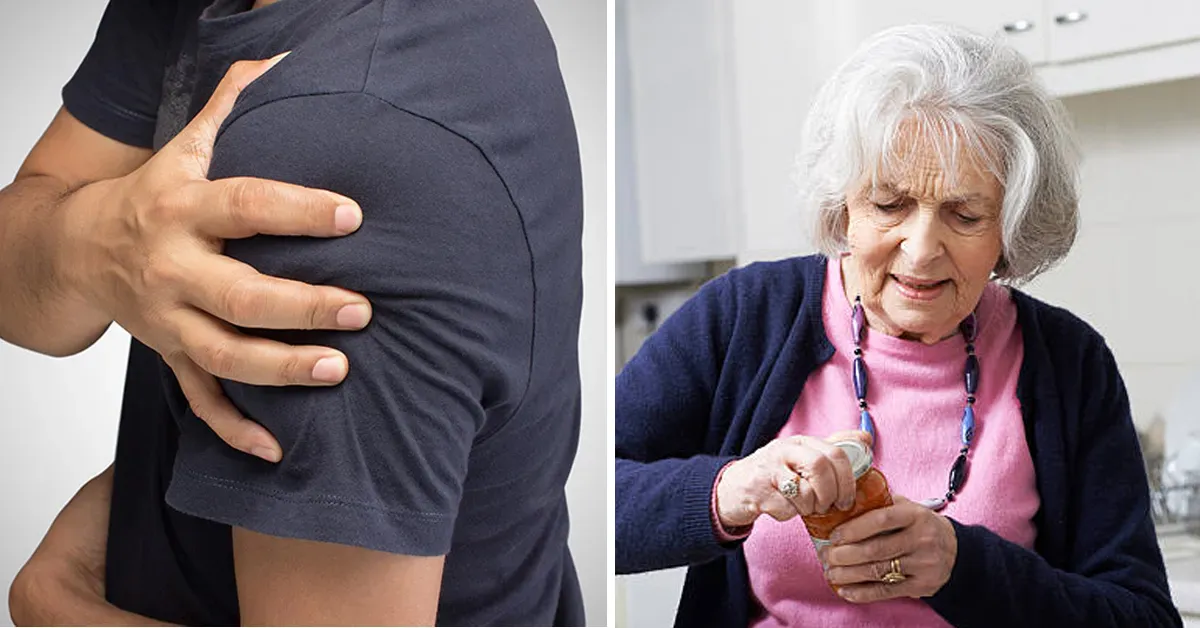
Most Families Don't Notice The Silent Robbery Until It's Too Late
For fifteen years, I practiced cardiology in Cleveland, watching the same heartbreaking pattern repeat itself:
Patient starts statin. Cholesterol drops beautifully. Then six months later—muscle weakness, falls, loss of independence.
"It's just part of aging," my colleagues would say with resigned shrugs.
But when my own father's legs started giving out...
Legs that had carried him through 30 years as a mailman—walking 12 miles a day in Boston winters—now couldn't make it up a flight of stairs without stopping.
The assisted living brochures were already on my sister's kitchen counter.
As a physician, I was supposed to have answers. Solutions. But watching my father's independence slip away month by month, I felt utterly helpless.
His cholesterol was perfect. His cardiologist was thrilled. "The Lipitor is doing exactly what it should," he'd say.
But Dad couldn't carry groceries anymore. Couldn't mow his own lawn. Couldn't trust his legs to hold him when he stood up.
I dove into research, desperate to find something—anything—that might help him.
That's when I discovered a fascinating pattern: Statin users in Japan experienced significantly lower rates of muscle-related side effects compared to American patients.
The pharmaceutical journals all pointed to genetics. Lower dosages. Different prescribing patterns.
But something about those explanations felt incomplete.
The Discovery That Changed Everything
With my father's independence at stake, I used a research sabbatical to investigate Japanese cardiology practices firsthand.
For days, I followed the standard trail—interviews with cardiologists, meetings with pharmaceutical researchers, discussions about genetics and diet.
Everyone had theories. Nobody had definitive answers about why Japanese statin users maintained their strength while American patients deteriorated.
Then I met Kenji.
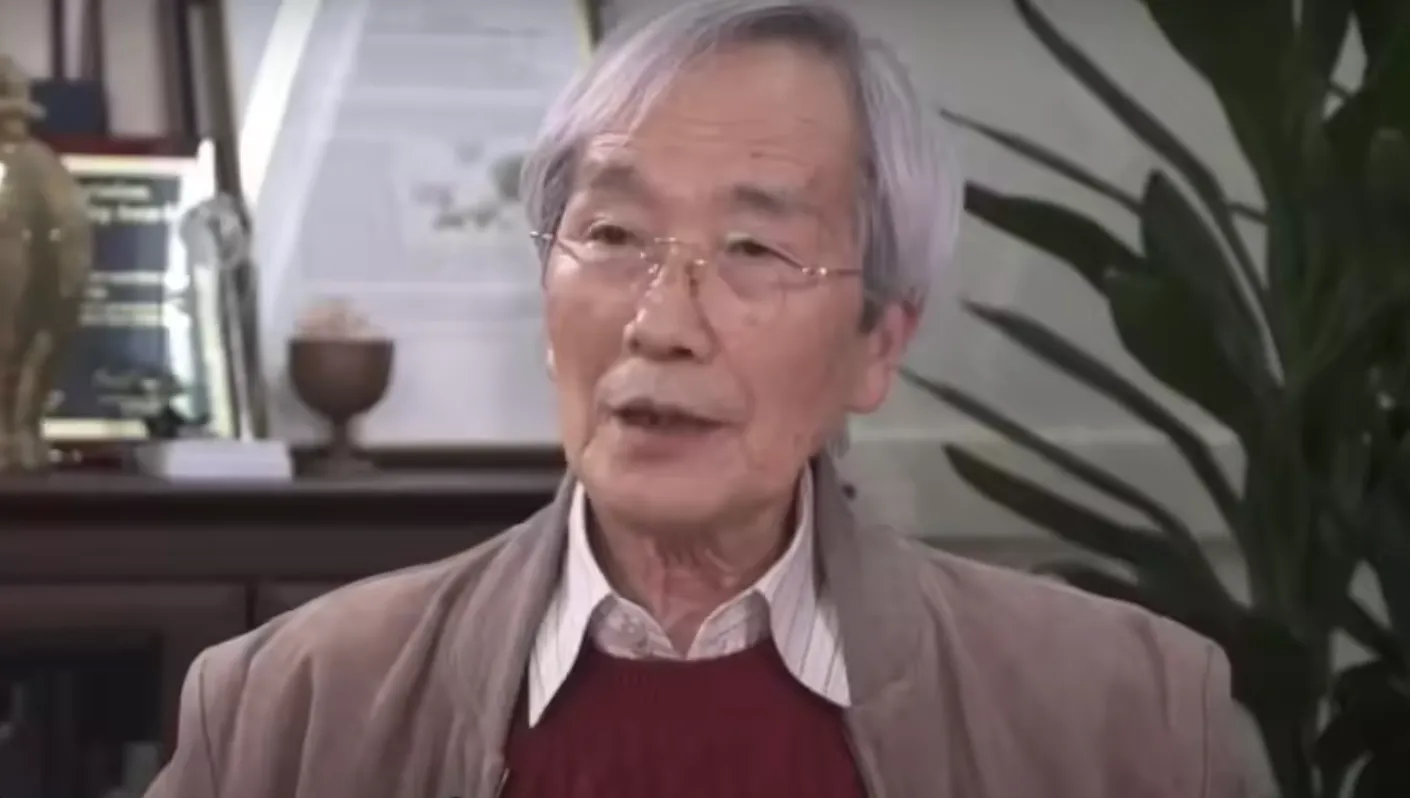
Kenji was a 78-year-old pharmacist at a small Tokyo pharmacy. When I mentioned my research on statin-related muscle weakness, his eyes lit up.
"Ah yes," he said in careful English. "Many American patients do not know. Very sad."
He pulled out a bottle from behind the counter. CoQ10. Coenzyme Q10.
"In Japan, we always recommend this with statins. Always. It is... what is the word... obvious? The statin blocks the body's CoQ10. So we replace it."
I stared at the bottle like it was written in a foreign language.
"You give this to every statin patient?" I asked.
"Of course. The research is very clear. Without CoQ10, the muscles cannot make energy. It is like... removing gasoline from car but still expecting it to drive."
He showed me his patient records. Hundreds of statin users. All taking CoQ10. The muscle complaints? Minimal.
"But you must use the correct form," he cautioned. "Not the oxidized ubiquinone from discount stores. That does not absorb. You need ubiquinol, with the proper support nutrients."
The Next Day, I Called Every Cardiologist I Knew In America
"Why aren't we telling patients about CoQ10?" I demanded.
The answers varied. "The evidence is mixed." "Supplements aren't FDA regulated." "We wait to see if symptoms develop first."
One colleague finally admitted: "Michelle, we're not trained to think about nutrient depletion. We prescribe the drug. If there are side effects, we adjust the dose or switch medications. Supplements? That's not in our wheelhouse."
But it should be. Because the biochemistry is crystal clear.
Statins block HMG-CoA reductase—the enzyme needed to make cholesterol. But that same enzyme is required to produce CoQ10. Block one, you block both.
And CoQ10 is literally the fuel that powers your muscles. Especially your heart muscle.
So we give patients a drug to protect their hearts while simultaneously depleting the nutrient their hearts need most to function.
It's not just counterintuitive. It's borderline criminal.
I thought of my father. Seven months on Lipitor. Cholesterol down. Muscle function destroyed. Nobody had mentioned CoQ10 once.
He needed help now.
I researched every CoQ10 formulation available in the United States. Most were garbage—oxidized forms with poor absorption, especially for people over 60.
But I found one company that was doing it right: NativePath CoQ10 Complex.
Ubiquinol (the reduced, absorbable form). Plus PQQ to help create new mitochondria. Plus geranylgeraniol to enhance absorption.
The exact formulation Kenji had described as "the proper form."
I Ordered A Bottle Overnight. Dad Started Taking It The Next Day.
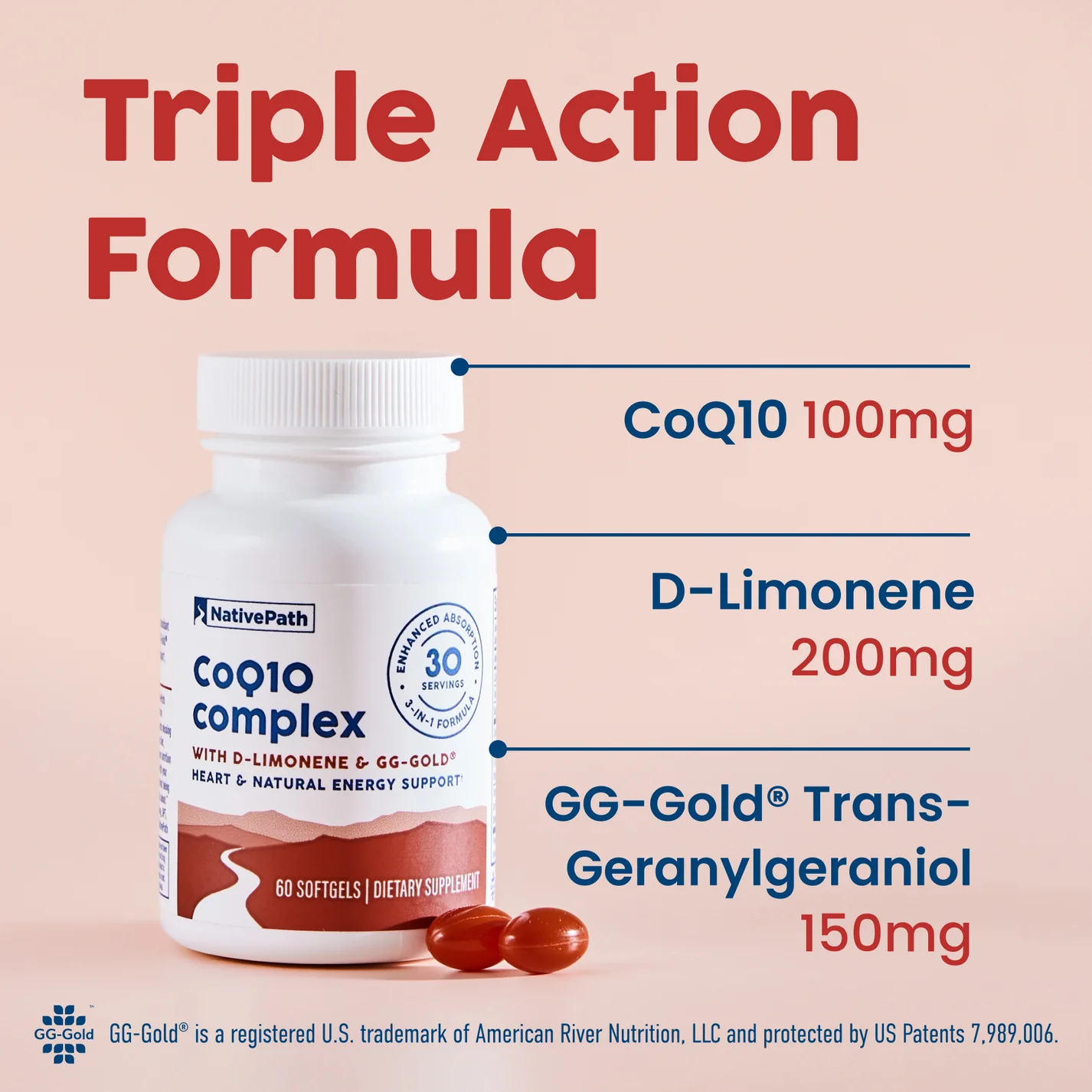
Here's what I told him: "Dad, Japanese cardiologists prescribe this with every statin. It replaces what the medication is depleting. Give it eight weeks."
I wasn't expecting miracles. The research suggested improvements took time. Four to six weeks for noticeable changes. Three months for significant recovery.
Week one: Nothing.
Dad dutifully took his CoQ10 every morning with breakfast. No changes. My sister's assisted living tours continued.
Week two: Maybe?
"I think the morning stiffness is a bit better," Dad said cautiously. "But it could be in my head."
Week three: Something real.
Dad called me. "Michelle, I walked to the corner store today. Didn't need to sit down once. First time in six months."
Week six: I got the call I'll never forget.
My sister, crying. Happy crying. "Michelle, you need to come over. Now."
My heart stopped. Had he fallen? Was he hurt?
I rushed to Dad's house and froze at the door.
There was Dad, up on a ladder, cleaning out the gutters. Those same legs that couldn't handle stairs two months ago—now climbing, balancing, working.

"Hey, girls," he said, looking down. "Leaves were backing up the downspout. Figure I'd take care of it before the next rain."
The brochures on my sister's counter flashed in my mind. The hushed phone calls planning his future. The soul-crushing acceptance that this was the inevitable end.
And in that single moment, seeing him up there—strong, capable, himself again—I knew it was all wrong.
Suddenly, the thought of assisted living felt absurd.
Ridiculous. It wasn't a possibility anymore. That chapter was slammed shut, right there, in the autumn sunlight with leaves in his hair.
That's when I lost it. Really lost it.
Sobbing in my father's driveway while my sister held me, both of us watching Dad work on his own house like he'd done for forty years.
"Come on down before you scare the neighbors," my sister called up to him, laughing through tears.
Later, my sister took those brochures and threw them in the recycling bin. Didn't say a word. Just disposed of them like the useless paper they'd become.
Dad's cholesterol? Still excellent. Still on his statin. But now his body had the fuel it needed to actually function.
The Science Behind What Doctors Aren't Telling You
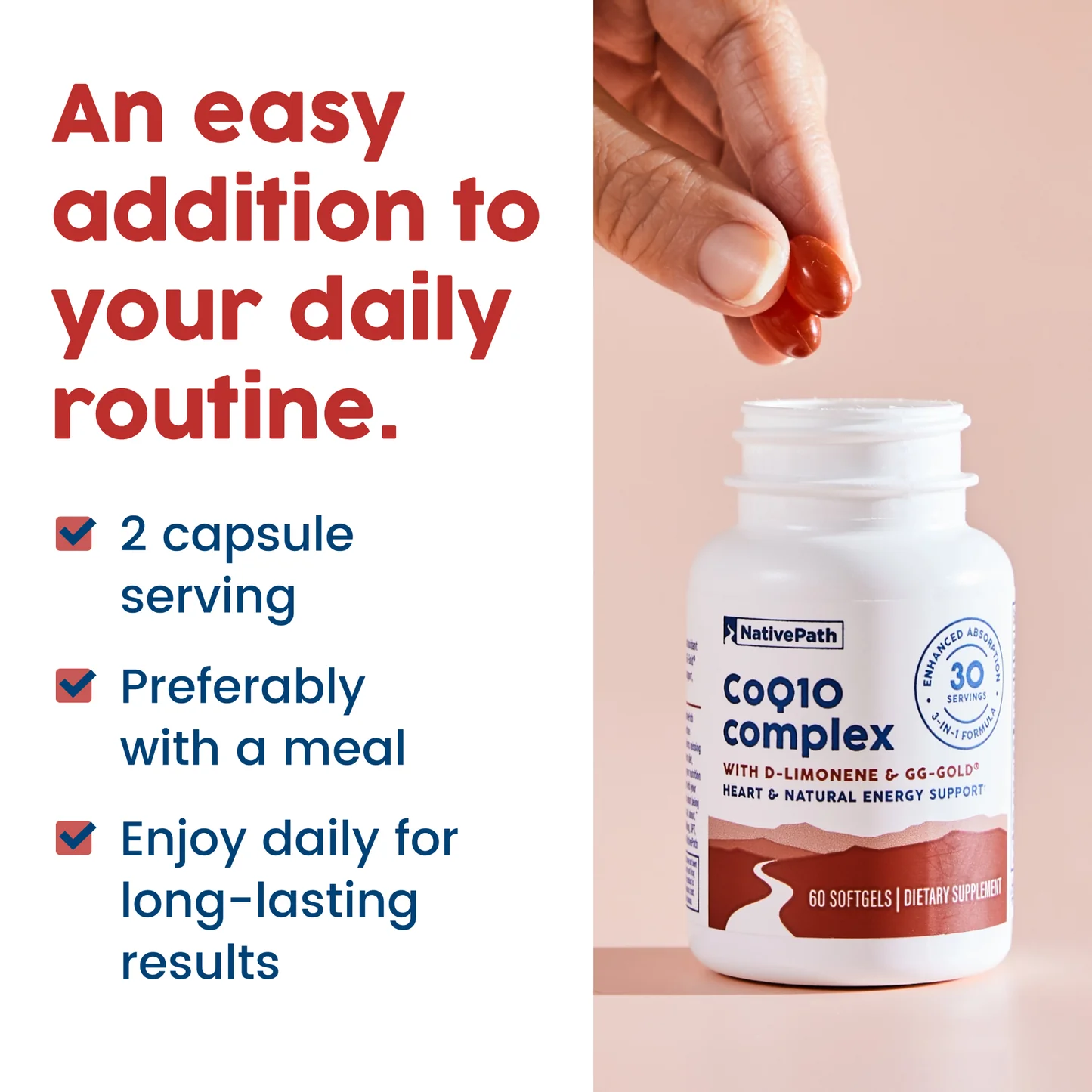
Look, I could bore you with biochemistry charts and enzyme pathway diagrams. But here's what you actually need to know:
Your muscles run on energy called ATP. CoQ10 is required to make ATP.
Without CoQ10, your muscles literally cannot produce the fuel they need to contract, move, or function.
Statins block the enzyme (HMG-CoA reductase) that makes cholesterol. Good—that's the point.
But that same enzyme is also required to make CoQ10. So when you block cholesterol production, you simultaneously block CoQ10 production.
Studies show statins can reduce your CoQ10 levels by up to 40%.
Your heart muscle—the organ your statin is trying to protect—needs more CoQ10 than any other muscle in your body.
Think about that for a second.
We're giving people heart medication that depletes the exact nutrient their hearts need most.
But here's the real breakthrough.
When you supplement with the correct form of CoQ10, you're not just replacing what's depleted. You're giving your cells the ability to produce energy again.
Clinical trials show:
→ 75% of statin users with muscle pain reported significant improvement after 30 days of CoQ10 supplementation
→ Pain severity scores dropped from 3.9 to 2.9 after just one month
→ Pain interference with daily activities improved by 38%
→ Motor and sensory nerve function improved measurably
Most importantly: Patients could stay on their life-saving statins without suffering.
You're not just managing symptoms. You're fixing the root cause.
My colleague at Johns Hopkins called it "giving people back the choice they should have had from day one."
I call it what medicine should have been doing all along.
The Ripple Effect Nobody Expected
Word spreads fast in a cardiology practice.
Especially when a 74-year-old patient shows up walking without a cane after three years of using one.
"What did you do to Bill?" my colleagues all wanted to know.
I started recommending NativePath CoQ10 Complex to my statin patients. What happened next convinced me this wasn't just my father's lucky response:
Robert K., 71, retired airline pilot, 6 years on Crestor:
"I had to give up flying small aircraft because my legs weren't reliable on the rudder pedals anymore. My son took over the family plane. That hurt more than the muscle pain.
Doc Carter told me about CoQ10. I figured, what's the harm? FDA says statins are safe, but nobody mentioned they rob you blind of this nutrient.
Eight weeks later, I'm back at the controls. Flew my grandson to Martha's Vineyard last month. He kept saying 'Grandpa, you're flying better than ever.'

My cardiologist asked what changed. When I told him, he literally wrote it down. 'I should be recommending this to more patients,' he said. No kidding."
Barbara M., 68, on Lipitor for 9 years:
"I couldn't lift my granddaughter anymore. Three years old, 30 pounds, and I physically couldn't pick her up. She'd reach for me and I'd have to say 'Nana's arms are too tired.'
Do you know how that feels? Watching a child's confusion when you can't do what grandparents are supposed to do?
My daughter was researching assisted living. Not for now, but 'to get ahead of it.' I was 68 years old and planning for dependency.
Then Dr. Carter told me what the Lipitor was doing to my CoQ10. Nobody had mentioned it in nine years. Nine years.
Two months on NativePath's formula, I picked up my granddaughter and spun her around. My daughter cried. My granddaughter said 'Again! Again!' And I could. I could do it again.
Those assisted living brochures went in the trash where they belong."
Thomas L., 77, former college football coach, on statins for 12 years:
"Twelve years of progressive weakness. Went from coaching to watching from the sidelines to watching from the stands to watching on TV because I couldn't climb the stadium stairs.
My doctor kept saying 'You're getting older, Coach. This is natural.' But my father was active until 92. Natural? This felt like robbery.
Found Dr. Carter's research on CoQ10 depletion. Did my own reading. The science is bulletproof. Statins block CoQ10. Period. How is this not standard disclosure?
Three months on the proper CoQ10 formulation—not the cheap drugstore garbage, the real stuff—I'm back in the weight room. Light weights, but I'm there. Back at the stadium. Back in my life.
My cholesterol is perfect. My cardiologist is thrilled. And I can actually DO the things he keeps telling me to do. Exercise. Stay active. Live fully.
Funny how that works when your muscles have the fuel they need."
Why This Isn't Common Knowledge (And Why That's Changing)

Here's the frustrating part.
This isn't controversial science. The biochemistry is well-established. The clinical trials are published in major medical journals.
But medical education in America doesn't include nutritional biochemistry in any meaningful way. Doctors aren't trained to think about nutrient depletion.
We prescribe the drug. If there are side effects, we adjust the dose or switch medications. The idea of providing nutritional support alongside pharmaceuticals? That's considered "alternative medicine."
Meanwhile, in Japan, it's just medicine. Standard practice. Common sense.
But that's starting to change.
More cardiologists are learning about statin-induced CoQ10 depletion. More patients are asking questions. More research is confirming what should have been obvious from day one.
The American College of Cardiology now acknowledges that "CoQ10 supplementation may be beneficial for patients experiencing statin-associated muscle symptoms."
May be beneficial. After decades of patients suffering unnecessarily.
Better late than never. But how many people gave up their statins—and risked their heart health—because nobody told them there was a solution?
Not All CoQ10 Is Created Equal (This Part Is Critical)
Here's what I wish someone had told me from the start.
Most CoQ10 supplements are useless. Not all, but most.
The cheap versions use ubiquinone—the oxidized form that your body has to convert before it can use it. If you're over 50 or taking statins, your body is terrible at this conversion.
You might absorb 10-20% of what you're taking. The rest? Expensive urine.
What you need is ubiquinol—the already-converted form that your cells can use immediately.
But even that's not enough.
You also need PQQ (Pyrroloquinoline Quinone) to help your body create new mitochondria—the cellular power plants that generate energy.
And you need geranylgeraniol to dramatically improve absorption and cellular uptake.
This is why I specifically recommend NativePath CoQ10 Complex to my patients. It's one of the only formulations that gets all three components right:
✓ Ubiquinol (not ubiquinone)
✓ PQQ for mitochondrial biogenesis
✓ Geranylgeraniol for absorption
It's the exact formulation that Japanese cardiologists have been using for years.
My promise to you is simple:
If you're on a statin and experiencing muscle weakness, pain, or fatigue, try NativePath CoQ10 Complex for 60 days.
If you don't feel a noticeable difference in your strength, your pain levels, your energy—
If you can't do things you've given up on—
Or even if you just don't like how it makes you feel—
Simply contact NativePath. They'll refund every penny. No questions asked.
365-day guarantee. A full year. Because that's how confident they are that this works.
Why would they make such an offer?
Because the return rate is less than 2%. It works. And once people feel their strength returning, once they can do the things they thought were gone forever, they don't want to stop taking it.
I am willing to bet my professional reputation on this formulation. That's how strongly I believe in what the research—and my own father's transformation—proved to me.
The Bottom Line
I think about Kenji often. That quiet Tokyo pharmacist who looked at me with genuine sadness when I told him American patients don't know about CoQ10.
"Very sad," he said. "The solution is so simple."
He was right. It is simple.
You might be reading this with legs that aren't quite what they used to be. Arms that can't lift what they once did easily.
Maybe you've noticed the little betrayals.
Or maybe you're watching someone you love fade into dependency, believing it's inevitable. Natural. Just what happens when you take statins.
It's not.
The Japanese figured out decades ago what American medicine is only beginning to acknowledge: When you block CoQ10 production, you replace it.
It's not alternative medicine. It's just good medicine.
Dad's 74 now. Still on his Lipitor. Cholesterol perfect. But last week, he helped his neighbor rebuild a deck.
Yesterday, he beat his grandson at arm wrestling (barely, but still).
Tomorrow, who knows?
But I know this: He won't be in assisted living. Not this year. Not next year. Maybe not ever.
All because of a conversation in a Tokyo pharmacy and a supplement that does what medicine should have been doing from day one.
See If NativePath CoQ10 Is Still Available >>
About Dr. Michelle Carter
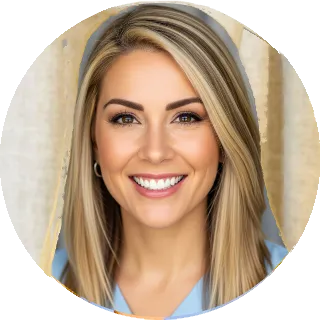
Dr. Michelle Carter, MD, FACC, is a board-certified cardiologist with over 15 years of experience in cardiovascular medicine. As former Chief of Cardiology at Cleveland Medical Center and current Director of Integrative Cardiac Care, she has dedicated her career to helping patients maintain heart health without sacrificing quality of life. Her research on statin-associated muscle symptoms and CoQ10 supplementation has been published in The Journal of the American College of Cardiology and Integrative Medicine Insights. Dr. Carter regularly speaks at medical conferences about nutritional support for cardiac patients.
Recent Comments
-

David Thompson
Been on Lipitor for 6 years. Muscle pain got so bad I was about to quit. Doctor never mentioned CoQ10. Started taking NativePath formula 2 months ago - pain is 90% gone. Still on my statin, cholesterol great, but now I can actually move. Why isn't this standard practice??
Like · Reply · 47
·
3 h
47
·
3 h
-

Susan Martinez
My husband couldn't climb stairs anymore after starting Crestor. His cardiologist said "it's part of aging." He's 67! Found this article, ordered the supplement. Eight weeks later he's back to his woodworking. Thank you Dr. Carter for actually explaining what doctors won't tell us.
Like · Reply · 89
·
5 h
-

Robert Chang
Cardiologist here. This article is spot-on. We're not taught nutritional biochemistry in med school. I started recommending CoQ10 to all my statin patients after attending Dr. Carter's lecture. The difference in patient outcomes is remarkable. This should be standard of care.
Like · Reply · 156
·
2 h
-

Patricia Wilson
Tried cheap CoQ10 from Walmart for 3 months - nothing. Then tried NativePath's formula with the ubiquinol and PQQ. HUGE difference within 6 weeks. It's not just about taking CoQ10. It's about taking the RIGHT KIND that your body can actually use. Worth every cent.
Like · Reply · 93
·
4 h
-

Michael Rodriguez
10 years on statins. 10 YEARS of muscle weakness that kept getting worse. Three different doctors, nobody mentioned CoQ10 depletion. Found this article, did my own research, ordered NativePath. Three months later I'm at the gym again. My doctor was shocked. I was furious. How is this not criminal negligence?
Like · Reply · 234
·
1 h